-
We are ISO certifide company
-
of Indian Spices products
We are ISO certifide company
of Indian Spices products
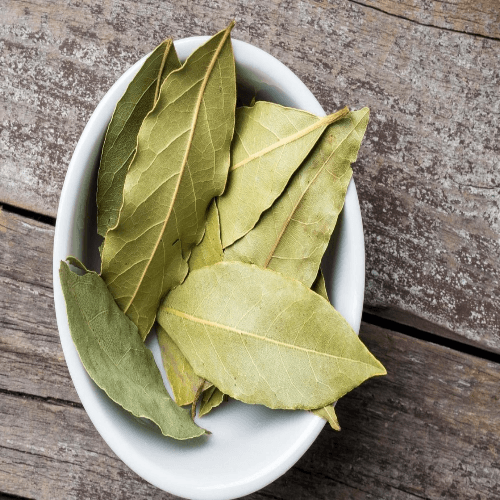
Bay leaves are aromatic leaves commonly used in cooking for their distinctive flavor and fragrance. Derived from the bay laurel tree (Laurus nobilis), these glossy, dark green leaves are typically added whole to dishes and removed before serving. They are a staple in Mediterranean cuisine and are known for enhancing soups, stews, sauces, and braises with a subtle, earthy taste. Beyond their culinary uses, bay leaves have been valued for their medicinal properties, believed to aid digestion and reduce inflammation.
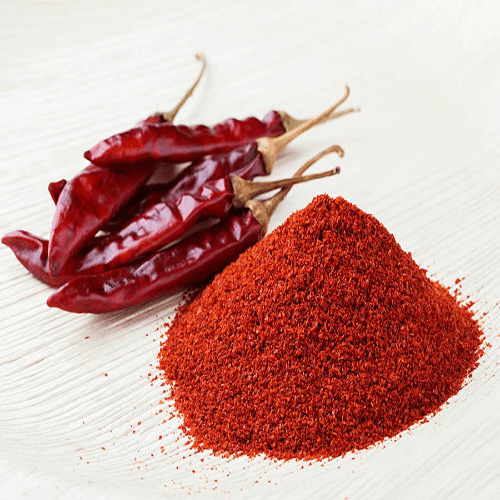
Chilies, also known as chili peppers, are vibrant, spicy fruits from the Capsicum genus, used widely in cooking for their heat and flavor. Ranging from mild to extremely hot, they come in various shapes, sizes, and colors, including red, green, yellow, and orange. Chilies are a key ingredient in many global cuisines, adding a distinctive kick to dishes like curries, salsas, and sauces. Besides their culinary appeal, chilies are rich in vitamins A and C, and capsaicin, the compound responsible for their heat, is known for its metabolism-boosting and pain-relieving properties.
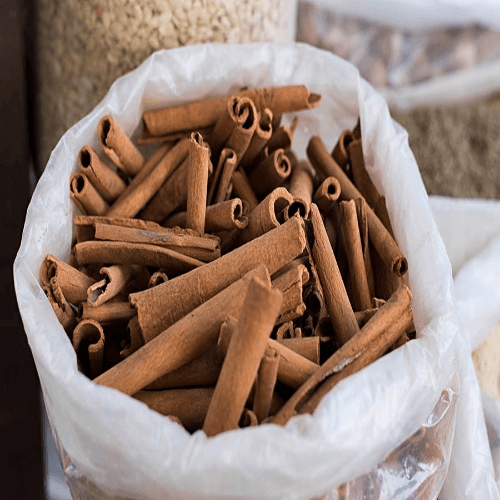
Cinnamon is a beloved spice derived from the inner bark of trees from the genus Cinnamomum. Known for its warm, sweet, and woody flavor, cinnamon is a staple in both sweet and savory dishes worldwide. It comes in two main varieties: Ceylon, often referred to as "true cinnamon," and Cassia, which is more commonly found in supermarkets. Used in baking, beverages, curries, and desserts, cinnamon not only enhances flavor but also offers health benefits. It's rich in antioxidants and has anti-inflammatory properties, making it a popular choice for both culinary and medicinal purposes.
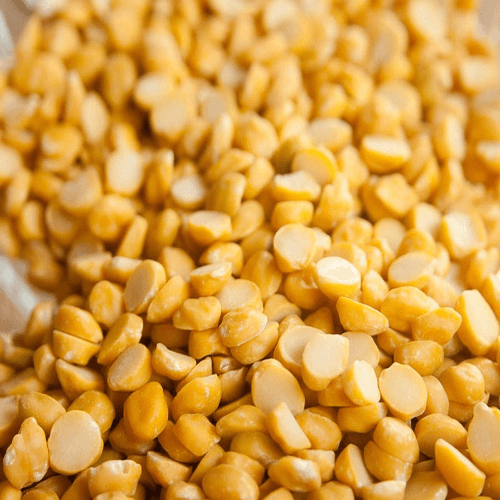
Chana dal, also known as split chickpeas, is a staple in Indian cuisine. These yellow lentils have a nutty flavor and a slightly sweet taste, making them versatile for various dishes such as soups, stews, curries, and salads. Rich in protein, fiber, and essential nutrients, chana dal is not only delicious but also highly nutritious, supporting digestive health and providing a steady source of energy. Its ability to absorb flavors well makes it a favorite in both traditional and contemporary recipes.
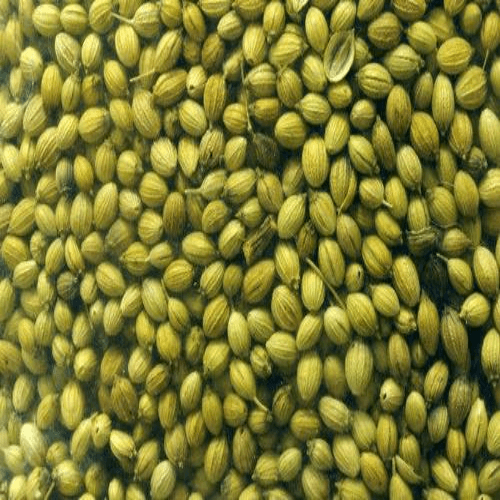
Coriander, also known as cilantro or dhania, is a versatile herb and spice used in cuisines worldwide. The plant's fresh leaves, known as cilantro, have a distinct, refreshing flavor, making them a popular garnish and ingredient in salads, salsas, and chutneys. The dried seeds, known as coriander seeds, offer a warm, citrusy, and slightly nutty taste, commonly used in spice blends, curries, and marinades. Coriander is valued not only for its culinary uses but also for its health benefits, including aiding digestion and providing a rich source of antioxidants.
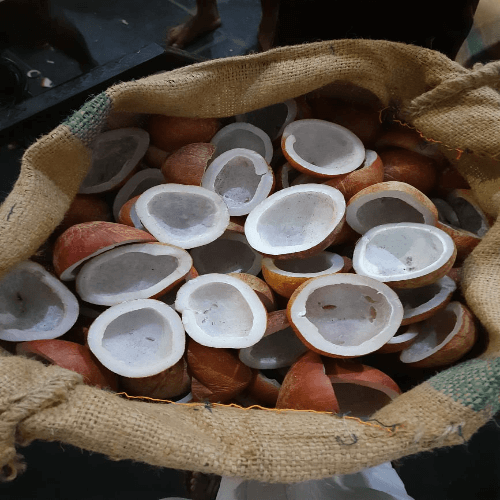
Cut copra is dried coconut meat derived from the kernel of mature coconuts. It is primarily used in the production of coconut oil, but also serves as a key ingredient in various culinary applications and animal feed. The drying process, which can be done through sun drying or kiln drying, reduces the moisture content, making it easier to extract oil and enhancing its shelf life. Cut copra is rich in healthy fats, protein, and dietary fiber, and plays a significant role in the economies of coconut-producing regions.
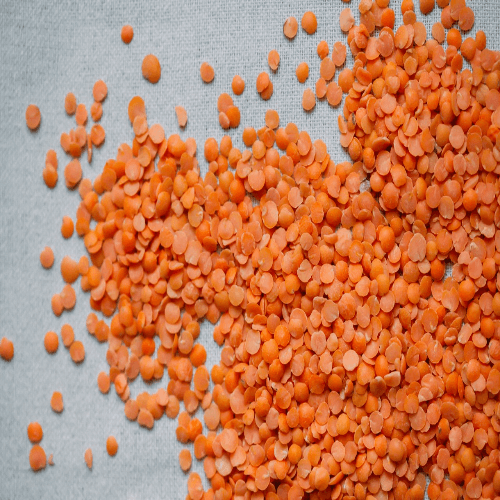
Lentils are small, lens-shaped legumes that are a dietary staple in many cultures worldwide. Available in various colors, including green, brown, red, and black, they are highly versatile and used in soups, stews, salads, and side dishes. Lentils are celebrated for their nutritional value, being rich in protein, fiber, iron, and folate, making them an excellent meat alternative for vegetarians and vegans. Easy to cook and budget-friendly, lentils are known for their earthy flavor and ability to absorb flavors from spices and seasonings, making them a nutritious and flavorful addition to any meal.
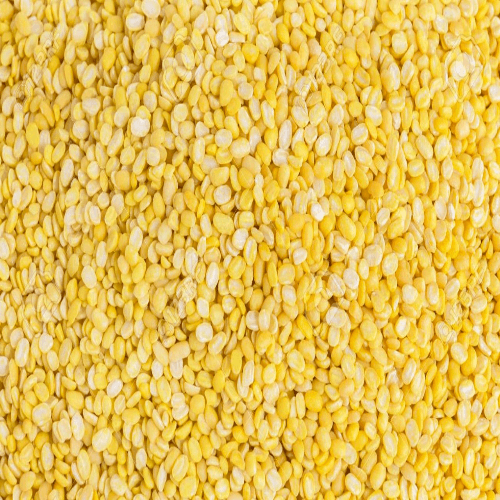
Moong dal, also known as split mung beans, is a staple ingredient in Indian cuisine. These small, yellow lentils are prized for their mild, slightly sweet flavor and their versatility in cooking. They are used in a variety of dishes, including soups, stews, curries, and desserts. Rich in protein, fiber, vitamins, and minerals, moong dal is highly nutritious and easy to digest, making it a popular choice for healthy diets. It also cooks quickly, making it convenient for quick meals while providing essential nutrients and promoting digestive health.
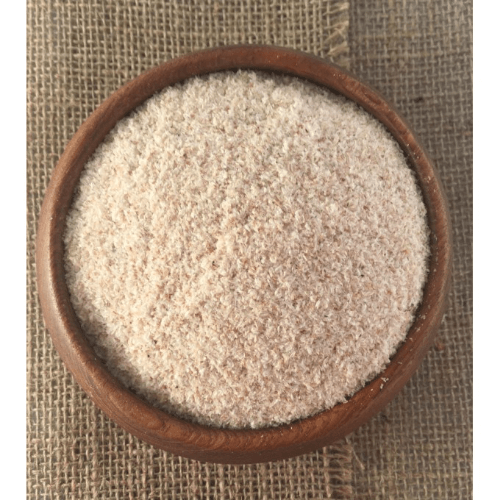
Psyllium husk, derived from the seeds of the Plantago ovata plant, is a natural dietary fiber known for its numerous health benefits. Often used as a fiber supplement, it helps promote digestive health by relieving constipation and aiding regular bowel movements. Psyllium husk can also help lower cholesterol levels, regulate blood sugar, and support weight management by promoting a feeling of fullness. It is typically consumed by mixing with water or adding to smoothies and baked goods, providing an easy way to boost daily fiber intake.
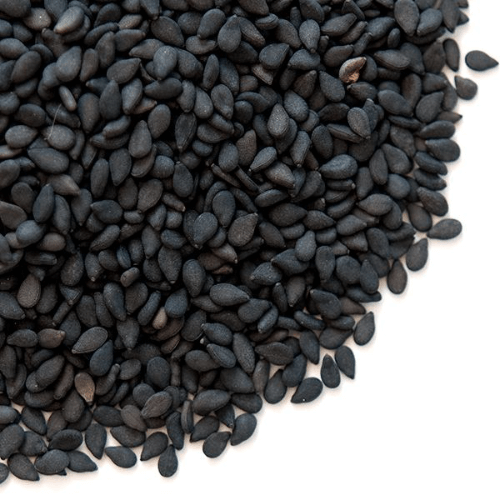
Black sesame seeds are tiny, oil-rich seeds derived from the Sesamum indicum plant. They are prized for their nutty flavor and are commonly used in culinary applications and traditional medicine. These seeds have a rich, slightly bitter taste and are often toasted to enhance their flavor and aroma before use.
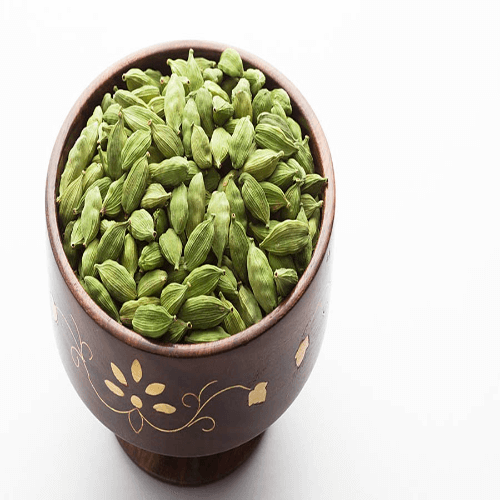
Cardamom is a highly aromatic spice known for its warm, slightly sweet, and floral flavor. It comes from the seeds of plants in the genera Elettaria (green cardamom) and Amomum (black cardamom), both of which belong to the ginger family.
Green cardamom, with its fresh and vibrant flavor, is more commonly used in sweet dishes, beverages like chai tea, and desserts across Indian, Middle Eastern, and Scandinavian cuisines. It's also a key ingredient in many spice blends, such as garam masala.
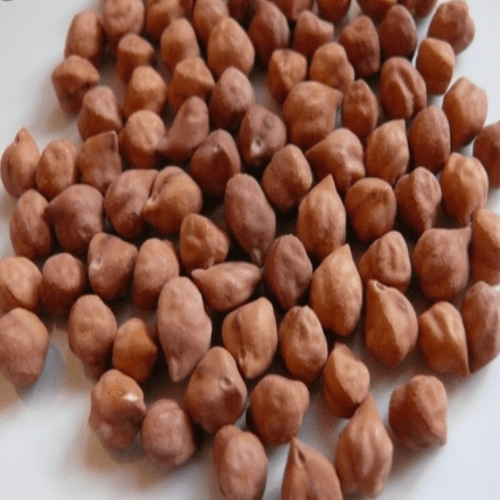
Chickpeas, also known as garbanzo beans, are edible legumes celebrated for their nutty flavor and versatile culinary uses. They are round, beige-colored beans with a firm texture and a creamy interior. Chickpeas are a staple in Mediterranean, Middle Eastern, and Indian cuisines, where they feature prominently in dishes such as hummus, falafel, and curries.
Nutritionally, chickpeas are rich in protein, fiber, and essential vitamins and minerals, including folate, iron, phosphorus, and manganese. They are a valuable plant-based protein source for vegetarians and vegans and are known for their ability to help manage blood sugar levels due to their low glycemic index.
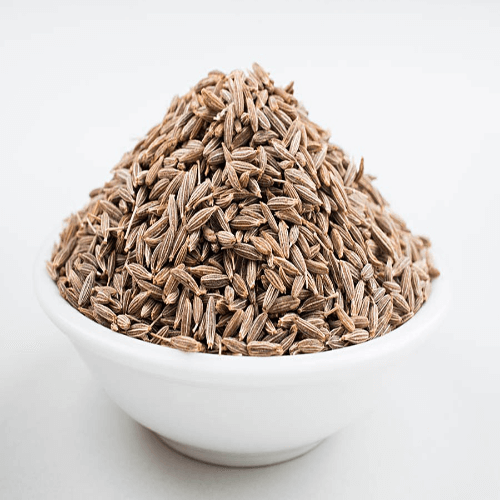
Cumin is a spice with a distinctive warm and earthy flavor, derived from the seeds of the Cuminum cyminum plant, which belongs to the parsley family. It is widely used in cuisines around the world, particularly in Indian, Middle Eastern, Mexican, and North African dishes.
Cumin seeds are small, elongated, and slightly curved, with a brown color. They can be used whole or ground, depending on the recipe. When toasted or dry-roasted, cumin seeds release a robust aroma and deepen in flavor, enhancing the overall taste of dishes.
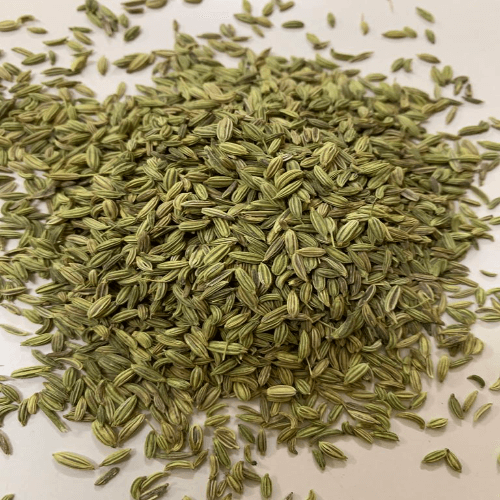
Fennel seeds are small, oval-shaped seeds harvested from the flowering plant Foeniculum vulgare, which belongs to the carrot family. These seeds have a mild, licorice-like flavor with sweet and slightly peppery notes, making them a versatile spice used in both savory and sweet dishes.
In culinary applications, fennel seeds are used whole or ground to enhance the flavor of dishes such as soups, stews, curries, and marinades. They are often toasted or dry-roasted to intensify their aroma and flavor before being added to recipes. Fennel seeds are also a common ingredient in spice blends like Chinese five-spice and Indian masalas.
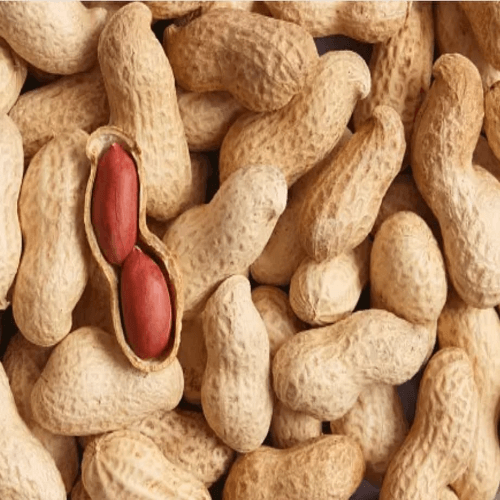
Groundnut, also known as peanut, is a legume crop cultivated for its edible seeds. Despite its name, it is not a true nut but rather belongs to the legume family, along with beans and lentils. Groundnuts are prized for their rich flavor, high protein content, and versatility in culinary applications.
The seeds of the groundnut plant are enclosed in a pod and typically consist of two to three seeds per pod. These seeds can be consumed raw, roasted, or ground into peanut butter or oil. Roasting groundnuts enhances their flavor and creates a crunchy texture, making them a popular snack worldwide.
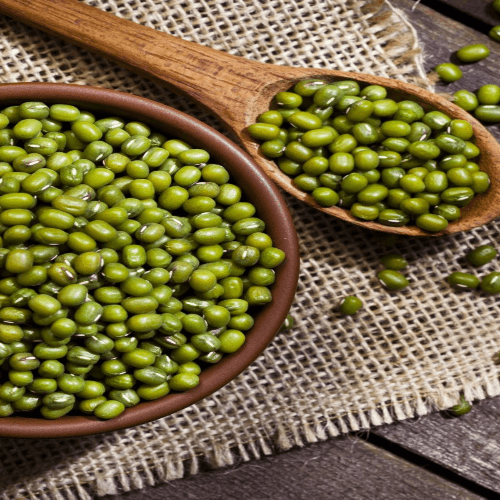
Moong, also known as mung bean, is a small green legume commonly used in cooking throughout Asia. These beans are notable for their mild flavor, quick cooking time, and high nutritional value.
Moong beans can be consumed whole or split, with the split variety being more common in cooking. They are used in a variety of dishes such as soups, stews, curries, salads, and desserts. In Indian cuisine, moong dal (split moong beans) is a popular ingredient for dal preparations, where it is cooked with spices and served alongside rice or bread.
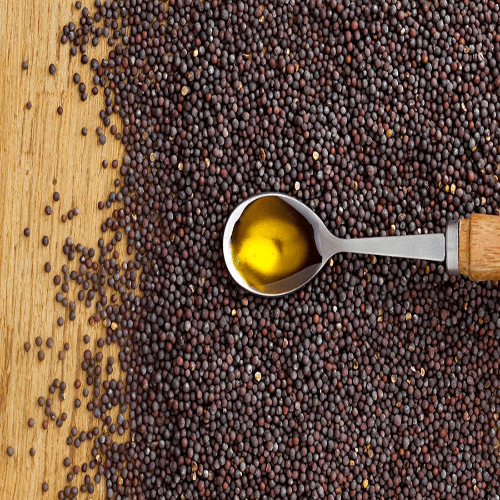
Mustard seeds are small round seeds derived from the mustard plant, belonging to the Brassicaceae family. These seeds come in different varieties and colors, including yellow, brown, and black, each with its own unique flavor profile and culinary uses.
Yellow mustard seeds are mild and commonly used in American and European cuisines, particularly for making mustard condiments. Brown mustard seeds have a stronger flavor and are often used in Indian cooking, where they are toasted in oil to release their pungent aroma before being added to curries, pickles, and spice blends. Black mustard seeds are the most pungent and are frequently used in South Asian and Ethiopian cuisines, providing a bold, peppery flavor to dishes.
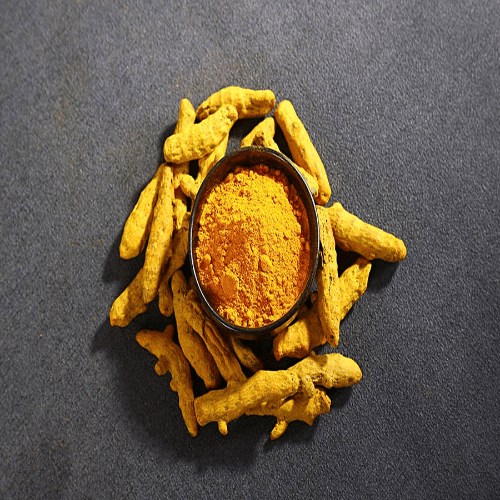
Turmeric is a bright yellow-orange spice that comes from the root of the Curcuma longa plant, a member of the ginger family. It has been used for thousands of years in traditional medicine and cooking, particularly in South Asian and Middle Eastern cuisines.
Turmeric is known for its warm, bitter flavor and earthy aroma. It is most commonly used in powdered form, either alone or as a key ingredient in curry powders and spice blends. Turmeric is a staple in dishes such as curries, soups, stews, rice dishes, and vegetable preparations, imparting a vibrant color and distinctive flavor.
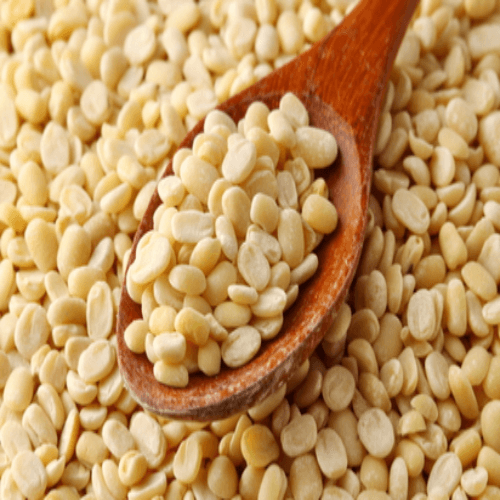
Urad dal is a type of pulse widely used in Indian cuisine. It is a small, black-skinned lentil-like bean that is rich in protein, fiber, and essential nutrients.
Urad dal is available in various forms, including whole (black gram), split with skin (black lentils), and split without skin (white lentils). Each form has its own culinary uses and benefits. Whole urad beans are often used in stews and soups, while split urad dal is commonly used to make dal preparations, dosa batter, and various savory dishes.